Heritage & Historic Renovations
Old Bones.
Brought Back Right.
Heritage home renovations require a different level of skill and patience. We restore character while bringing your home up to modern standards, without destroying what makes it special. Cobourg and Northumberland County.
1999
Building Since
80+
Heritage Projects
1800s
Oldest Home Restored
4.8★
Google Rating
What We Do
Heritage renovation requires more than a building permit. It requires understanding what you’re working with.
Cobourg and the surrounding Northumberland region has some of Ontario’s most significant Victorian and Georgian residential architecture. These homes were built to last, and when they’re renovated correctly, they last another 150 years. The mistake most contractors make is treating heritage homes like new construction. They’re not. The materials are different, the structural logic is different, and the tolerance for shortcuts is zero. We’ve been working on heritage homes in this region since 1999. We respect what’s there. Most of this work sits in Port Hope and Cobourg, where the heritage stock is, and it runs out through Brighton and the rest of Northumberland County. Inside an older house it usually arrives as a kitchen or bathroom renovation that has to respect what is already there.
Recent Work
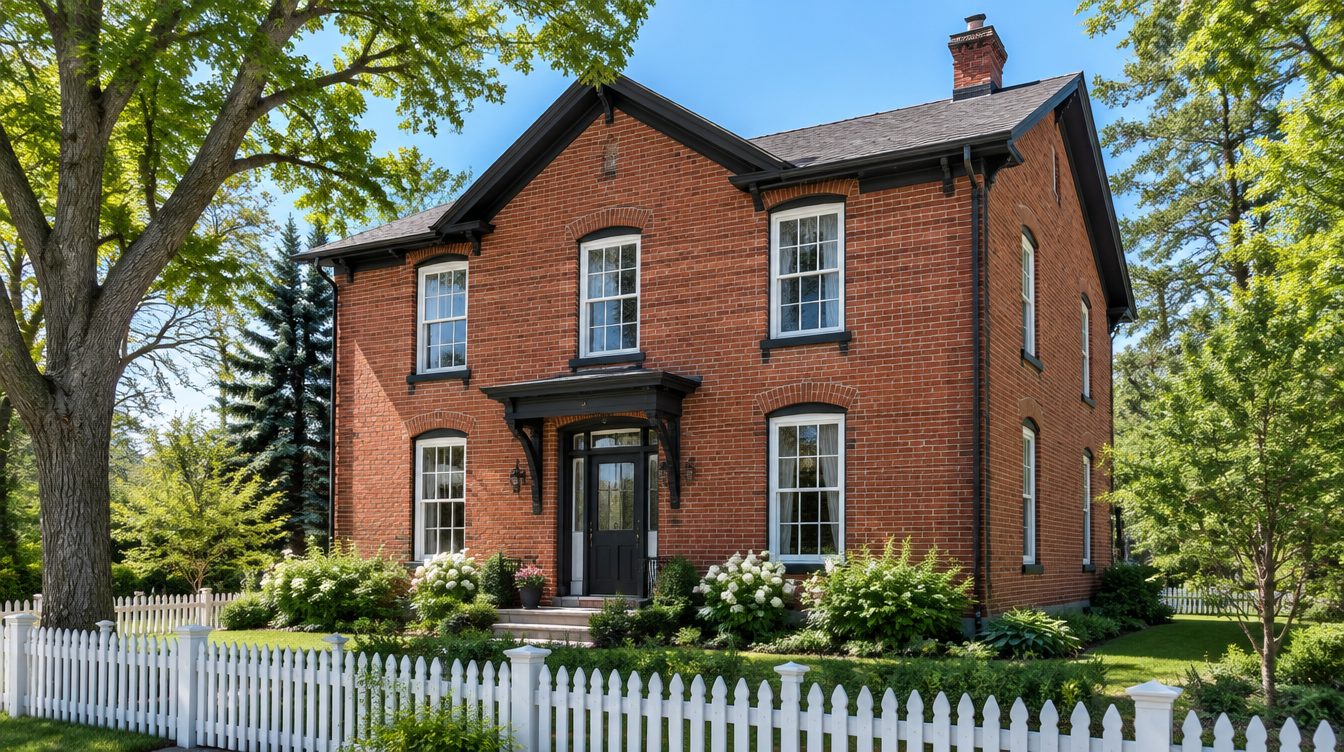


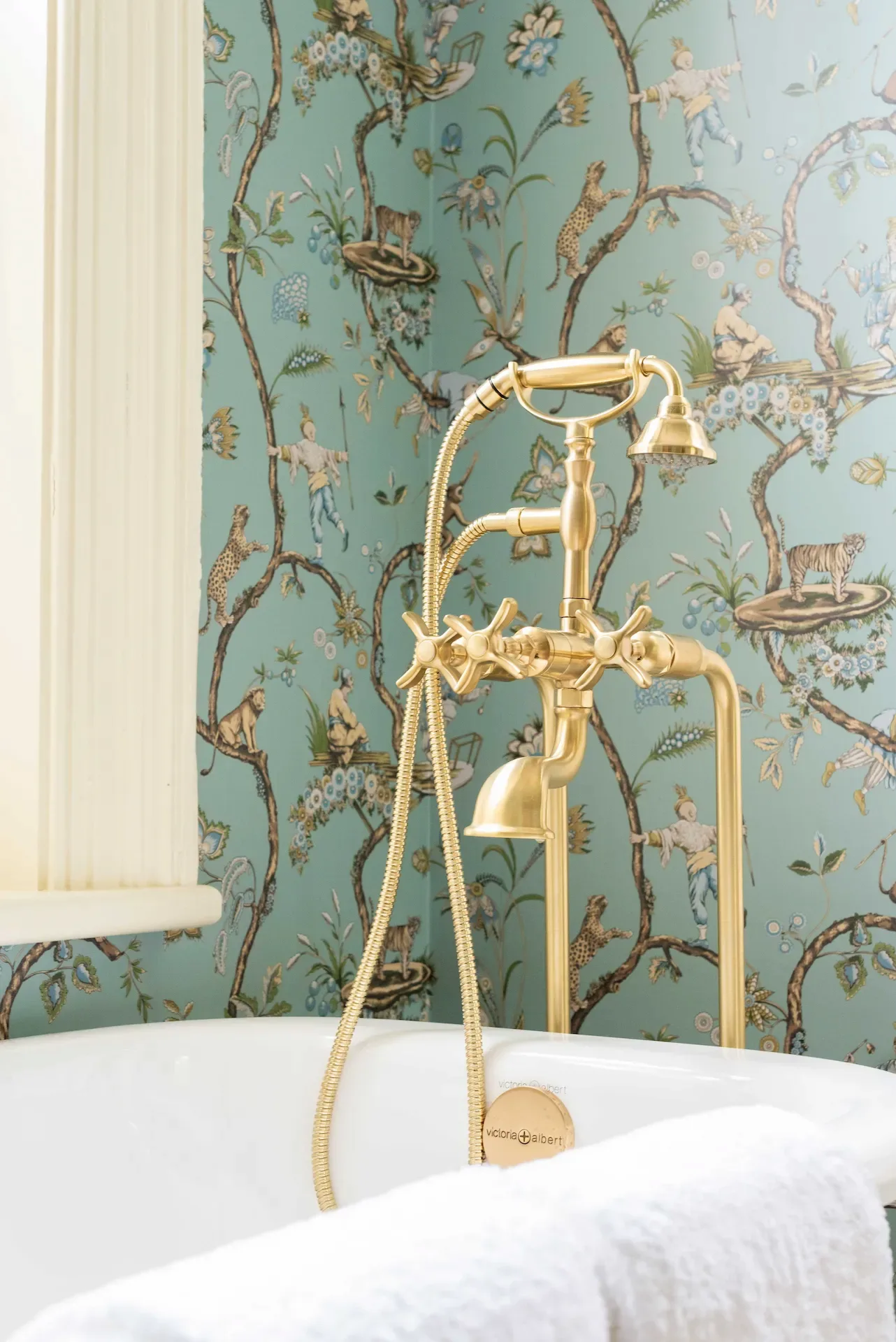
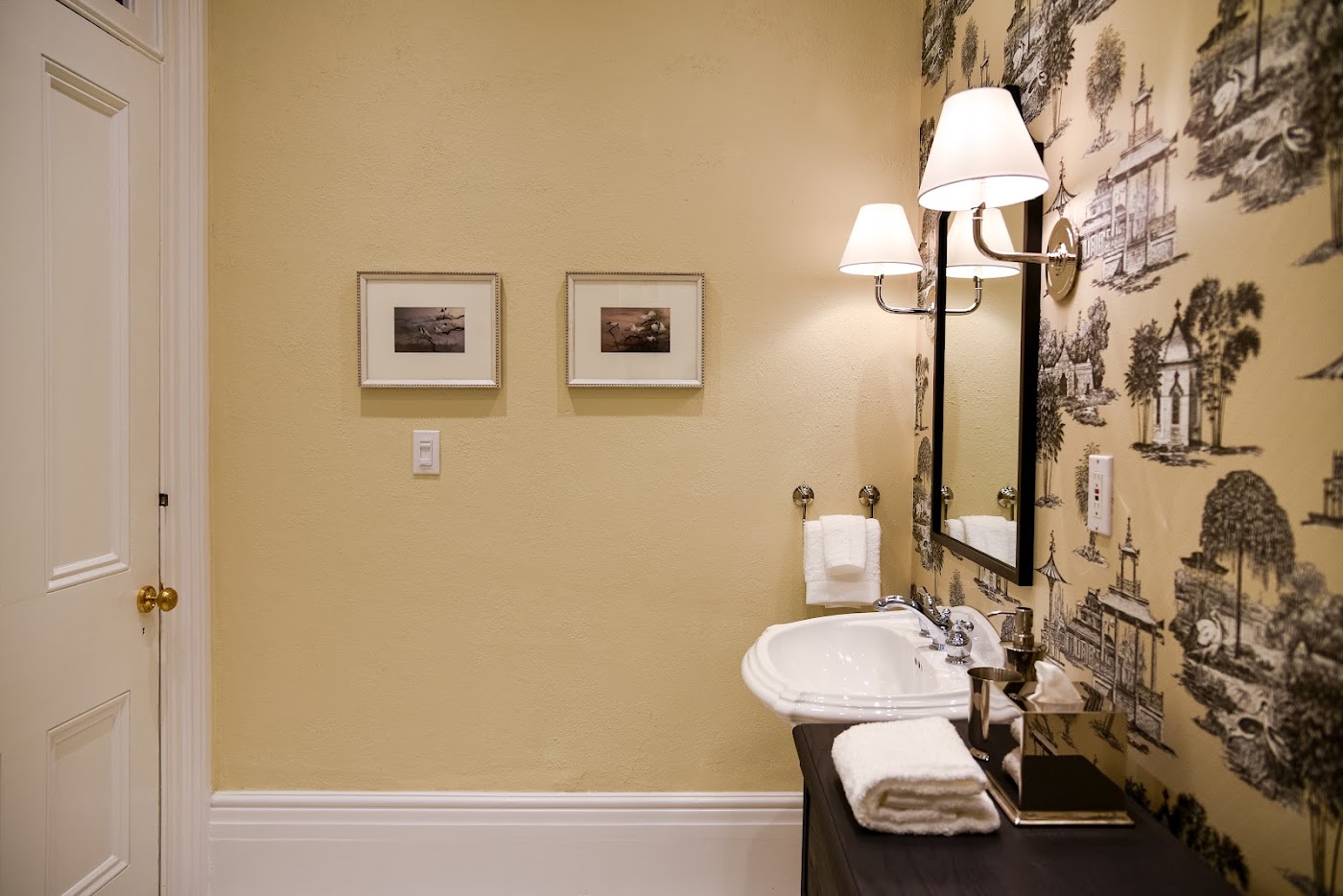
Our Approach
How we approach a heritage renovation
01
Discovery & Assessment
We assess the home’s age, original materials, structural condition, and any heritage designation requirements before a single plan is drawn.
02
Preservation Plan
We identify what’s worth preserving and what needs to go. Every decision is made with the home’s character and long-term value in mind.
03
Careful Build
Slower, more deliberate work than new construction. We don’t rush heritage projects. The materials and methods demand patience.
04
Final Handover
You get a home that feels exactly as it should: historic character intact, fully modernized where it matters.
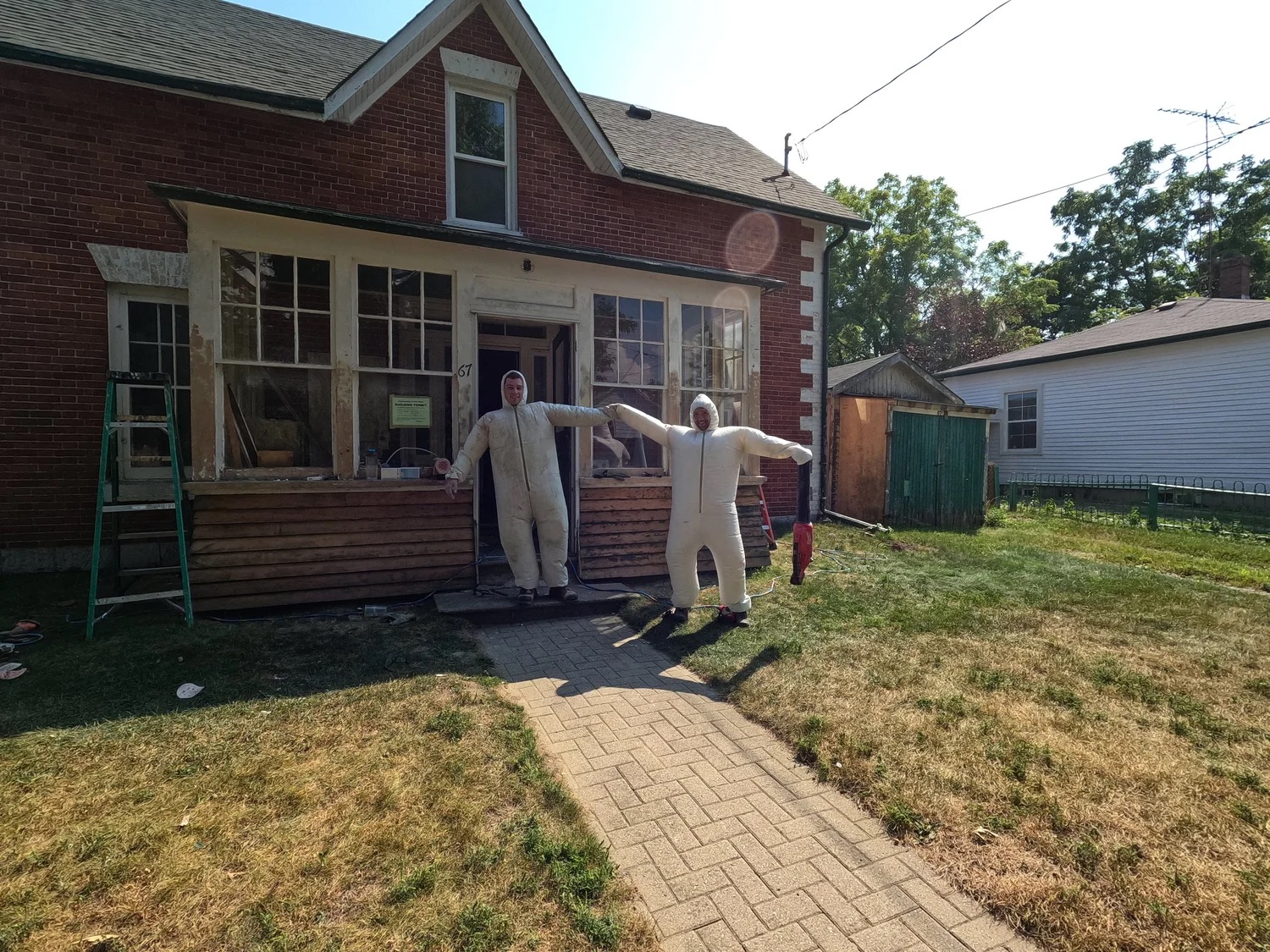
Est. 1999
Family-Owned
Why Cobourg Construction
We’ve been restoring Cobourg’s historic homes since 1999.
Cobourg has one of the highest concentrations of designated heritage properties in Ontario outside of Toronto. We know these buildings. We’ve worked in them, under them, and around them for over two decades. We know what the municipality requires, what the Ontario Heritage Act covers, and what it takes to bring a 150-year-old home up to the Ontario Building Code without gutting its soul.
If you own a heritage home in Cobourg, Port Hope, or anywhere in Northumberland, you need a contractor who understands what you have. We do.
Additions and alterations
Adding to a heritage home
An addition on an older house is a different job from an addition on a house built in 2005. The existing structure was built with different materials, to different tolerances, and often without the footings a modern extension needs to tie into. The work is as much about how the new part meets the old as it is about the new part itself.
Where the addition goes
Rear additions are usually the straightforward answer, because they leave the street face of the house untouched, which is what most heritage policies are protecting. Side additions are possible but draw more scrutiny, and anything that changes the front elevation is the hardest case to make.
Matching brick, stone and trim
Matching old masonry is the part people underestimate. Brick sizes changed over the last century, local clay gave regional colours that are no longer produced, and mortar for soft historic brick needs to be softer than the brick itself. Using modern hard mortar on old brick damages the brick, because the mortar stops being the sacrificial layer. Where a match cannot be found, a deliberate and honest difference usually reads better than a near miss.
Windows
Original windows are often the single most contested element in a heritage renovation. Restoring and weatherstripping a sound original sash, with a storm window outside it, performs better than most people expect and keeps the character of the house. Where replacement is the only option, profile, sightlines and the number of panes all matter to how the finished elevation looks.
Insulating an old house without causing damage
Old walls were built to dry out. Packing them with the wrong insulation stops that and traps moisture inside the assembly, which rots framing and spalls brick from the inside. Getting this right is a building science question, and it is worth more attention than it usually gets.
Designation and permits
Heritage designation and what it means for your project
In Ontario, heritage protection runs through the Ontario Heritage Act, and what you can do to your house depends on which category it falls into. Plenty of owners do not know which one applies to them until they start planning work.
Listed, designated, or in a district
A listed property sits on the municipal heritage register but is not designated, which mainly affects demolition notice rather than everyday alterations. A designated property is protected individually by a municipal bylaw, and that bylaw names the specific features being protected. A property inside a heritage conservation district is covered by the district plan, which usually governs what is visible from the street.
What typically needs a heritage permit
Alterations that affect the protected features of a designated property generally need a heritage permit from the municipality, separate from and in addition to a building permit. Interior work is often outside the scope unless the designation bylaw names interior features. The only reliable answer comes from reading your own designation bylaw, which the municipal clerk can provide.
Two permits, not one
A heritage permit and a building permit are different approvals from different parts of the municipality, and the heritage one normally comes first, because the building permit drawings have to reflect what heritage approved. Sequencing these in the wrong order is the most common reason a heritage project stalls before it starts.
Local detail
Port Hope has one of the most intact heritage streetscapes in Ontario and a correspondingly active heritage process. Our guide to heritage permits in Port Hope sets out how it works there. Cobourg, Clarington and the rest of Northumberland County each run their own, and we handle the applications as part of the job rather than leaving them with you.
Frequently Asked Questions
Can you renovate a heritage designated home in Cobourg or Port Hope?
+
Yes. We have renovated heritage homes across Cobourg and Port Hope since 1999, including Georgian, Victorian and Edwardian properties. Designated homes require heritage permit approval alongside the building permit, and we handle both.
What makes a heritage renovation different from a normal one?
+
What is behind the wall. Balloon framing, knob and tube wiring, lath and plaster, stone foundations and no insulation are all normal in a house of this age. Knowing what you are likely to find before you open it up is what keeps a heritage job from turning into an open-ended one.
Can I add modern heating, wiring and insulation to a heritage home?
+
Yes, and it is usually the reason people call. Modern systems can be integrated without stripping the character out of the house, but the sequencing matters and so does the insulation strategy, because getting it wrong traps moisture inside a wall that was designed to breathe.
Do heritage renovations cost more?
+
Generally yes. Period-accurate materials cost more, millwork often has to be made rather than bought, and approvals take longer. The trade-off is a house that keeps the character that made it worth buying.
Working on a designated property? Our guide to heritage permits in Port Hope explains why heritage approval has to come before the building permit, and which work skips the committee. For the province-wide rules, including the time council has to answer and the 1 January 2027 register deadline, see our Ontario heritage renovation guide.
Own a heritage home in Northumberland?
Tell us about the home and what you’re trying to accomplish. We’ll give you an honest assessment and a clear plan.