Guide · Heritage
Renovating a heritage home in Ontario.
There is a clock on your side that almost nobody is told about. Once your application is complete, council has 90 days to decide. If it does not answer in time, consent is deemed to have been given.
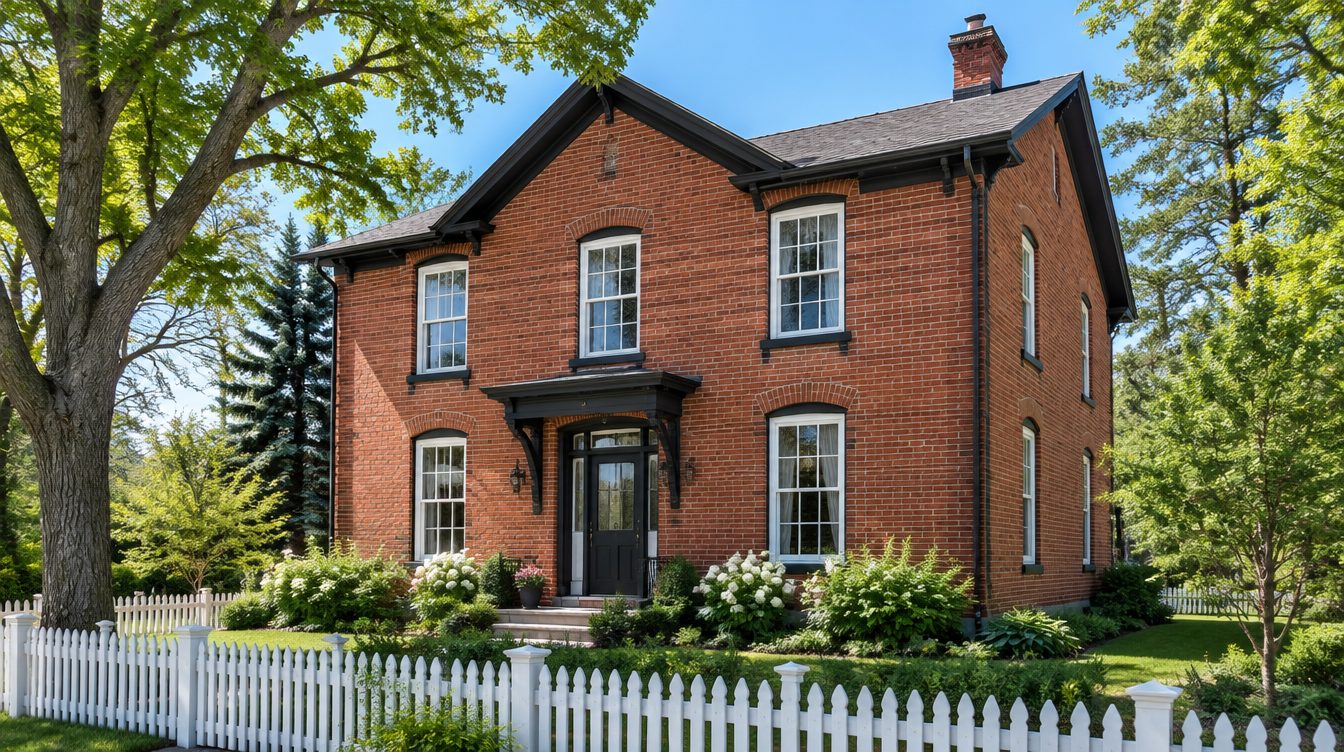
Designated or listed decides everything
These two words get used as if they mean the same thing. They do not, and the difference changes what you are allowed to do without asking.
Designated means a by-law protects the property, either individually under Part IV of the Ontario Heritage Act or as part of a Heritage Conservation District under Part V. Alterations likely to affect the heritage attributes need written consent from council before you start.
Listed means the property is on the municipal heritage register but no designating by-law has been passed. The obligation that carries is notice rather than consent: under section 27(9) an owner has to give the municipality 60 days’ notice before demolishing or removing a building on the property.
Listing practice varies between municipalities, so if your property is listed rather than designated it is worth one call to the planning department before you assume nothing applies.
The two clocks
60 days, then 90 days, then it is yours by default.
This is the most useful thing on this page. The timeline for consent under section 33 runs on two separate clocks, and both of them run against the municipality rather than against you.
First clock, 60 days
Council has 60 days from the date your application is served to tell you whether it is complete. If it does not respond in that window, the application is deemed complete and the second clock starts anyway.
Second clock, 90 days
From the notice of complete application, council has 90 days to seek advice from its heritage committee where one exists, make a decision, and serve notice on you and on the Ontario Heritage Trust.
If council does not notify you of a decision inside that 90 days, it is deemed to have consented. That is the provision worth knowing before you plan a build season around a heritage file. It does not make the process adversarial, and it is rarely needed, but it means a file that goes quiet is not a file that has stopped.
Both periods can be extended by mutual agreement between you and the municipality, which is often the sensible path when a proposal needs reworking rather than refusing.
The minimum contents of an application are prescribed in Ontario Regulation 385/21, so an application can be judged incomplete on paperwork rather than on merit. That is the cheapest delay to avoid.
What needs consent
If it changes the heritage attributes, assume it counts.
Consent attaches to alterations likely to affect the attributes the designation protects, which is usually the exterior and the things that give the building its character.
● Additions, alterations and demolition
● Windows and doors, including replacements
● Masonry, repointing and brickwork
● Roofs, porches and exterior trim
● Exterior colour, lighting and signs
Interior work that does not touch the external appearance is usually outside the process. The exception matters: on an individually designated property the designating by-law itself can name specific interior elements to be preserved. Read the by-law for your address rather than assuming the inside is unrestricted.
The deadline on the register
1 January 2027, and most listed owners have not heard about it.
Properties that were on a municipal register as of 31 December 2022 have to be designated by 1 January 2027 or they come off the register. Properties added on or after 1 January 2023 have two years from being added.
Removal is automatic when the deadline lapses. A property removed that way cannot be put back on the register as a non-designated property for five years from the applicable date, though it can still be designated later provided it has not been subject to a prescribed event application.
Designation is assessed against the criteria in section 1 of Ontario Regulation 9/06.
What this means in practice depends entirely on which side of it you are on. If you want the protection, the window is closing. If you have been planning work that designation would complicate, the register is worth checking now rather than discovering the position later.
If the answer is no
Thirty days, then the Tribunal.
Council can consent, consent with terms and conditions, or refuse. If you object to a refusal, or to conditions you cannot build to, you have 30 days from receiving council’s notice to appeal to the Ontario Land Tribunal. The notice of appeal goes to the Tribunal and to the municipal clerk, and it carries the Tribunal’s fee.
The clerk then has 15 days to forward the record of the decision. The Tribunal can dismiss the appeal or order the municipality to consent on terms it sets, and some appeals can be dismissed without a hearing.
In practice appeals are rare, because the process is built to guide change rather than prevent it. A proposal that is clear about what is being kept, what is being replaced and why tends to find a path.
Where we come into it
We have been restoring homes in this region since 1999 and have completed over 100 projects in Port Hope alone, much of whose core sits inside a Heritage Conservation District.
The practical value is in the preparation. A heritage file that explains the work in the terms the committee is actually assessing against moves differently from one that does not, and the design is cheaper to adjust before the drawings are final than after.
Heritage rules are provincial, but the committee, the delegations and the meeting calendar are local. If your property is in Port Hope, the local detail is in our Port Hope heritage permits guide.
Frequently asked questions
Do I need permission to renovate a heritage home in Ontario?
If the property is designated, yes. Alterations likely to affect its heritage attributes need written consent from council under section 33 of the Ontario Heritage Act, before the work starts. If the property is only listed on the municipal register and not designated, consent does not apply, but you owe the municipality 60 days’ notice before demolishing or removing a building under section 27(9).
How long does heritage approval take in Ontario?
Two periods. Council has 60 days from service of your application to say whether it is complete, and a non-response means it is deemed complete. From the notice of complete application, council has 90 days to decide and serve notice. Both can be extended by mutual agreement.
What happens if the municipality does not respond?
If council does not notify you of its decision within the 90-day period, it is deemed to have consented to the application. A heritage file that goes quiet has not stopped.
Does interior work need heritage approval?
Usually not, as long as it does not affect the external appearance, so a kitchen or a bathroom inside the envelope is generally outside the process. On an individually designated property the designating by-law can name specific interior elements to be preserved, so read the by-law for your address first.
What is the difference between a designated and a listed property?
Designated means a by-law protects it, individually under Part IV or as part of a Heritage Conservation District under Part V, and alterations need consent. Listed means it is on the municipal register with no by-law passed, and the duty is 60 days’ notice before demolition rather than consent to alter.
What is the 2027 heritage deadline?
Properties on a municipal heritage register as of 31 December 2022 must be designated by 1 January 2027 or they are removed from the register. Anything added on or after 1 January 2023 has two years from being added. A property removed cannot be re-listed as non-designated for five years from the applicable date.
Can I appeal a heritage refusal?
Yes. You have 30 days from receiving council’s notice to appeal to the Ontario Land Tribunal, giving notice to the Tribunal and the municipal clerk with the Tribunal’s fee. The clerk forwards the record within 15 days. The Tribunal can dismiss the appeal or order consent on terms it sets.
Can I get a building permit while heritage consent is pending?
Municipalities commonly hold the building permit until heritage consent is in hand, which makes the two sequential rather than parallel. Confirm the order with your municipality early, because it is the single biggest factor in a heritage project’s schedule.
Heritage project in Ontario?
Talk to us before the drawings are final. The heritage file is easier to prepare when the design has it in mind from the start.
Request a Free Estimate (905) 376-5585
Keep reading
See our heritage renovation service, the Port Hope heritage permits guide, and our work in Port Hope, Cobourg and across Northumberland County. More in the guides section.